
The challenge
Vulcain Group represents multiple automotive brands across their dealership network, from value-oriented volume brands to premium luxury marques, plus commercial vehicle divisions. This multi-brand portfolio created unique marketing challenges that most agencies aren’t equipped to handle.
The core challenges were significant:
- Distinct target audiences: A first-time car buyer looking at an economy hatchback has nothing in common with an executive upgrading their luxury sedan. Same dealership group, completely different marketing requirements.
- Inter-location competition: Different dealerships within the group were competing for the same customers, driving up costs and creating confusion
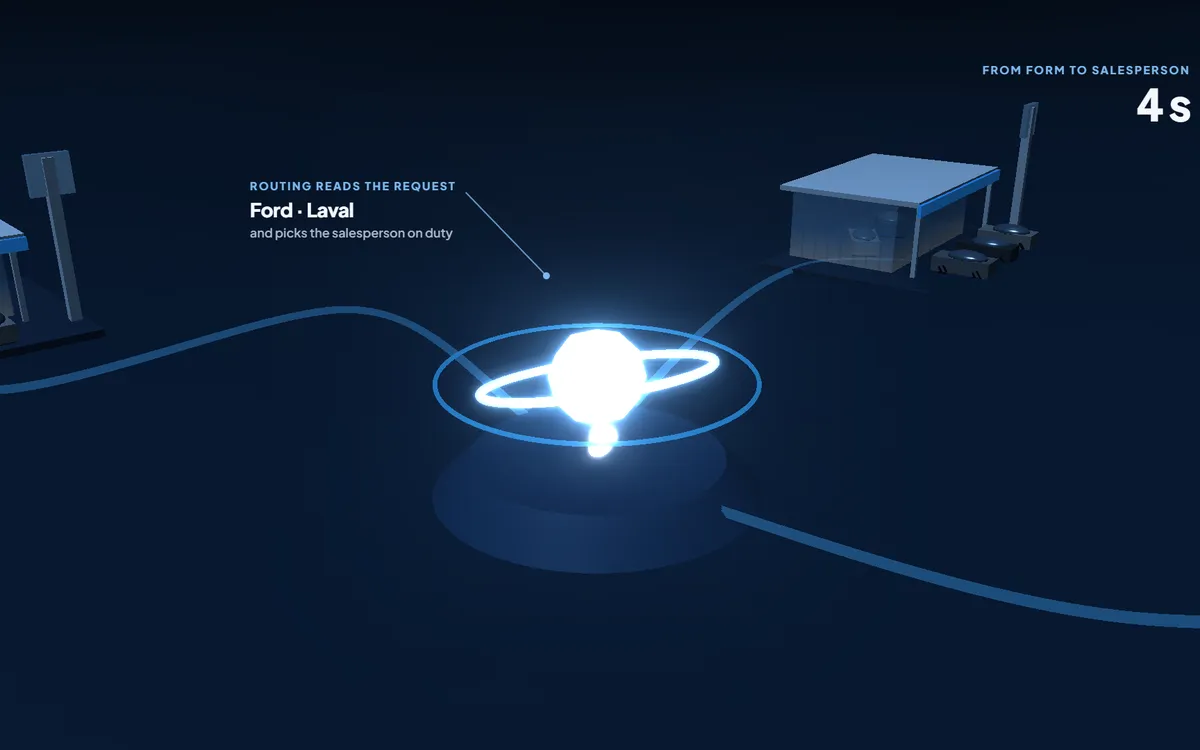
- Complex lead routing: When a lead came in, it needed to reach the right dealership, the right brand specialist, and the right sales team, instantly
- Brand guidelines: Each automotive manufacturer had strict brand requirements that needed to be respected in all marketing
- Budget allocation: How do you divide marketing spend across brands, locations, and channels fairly and effectively?
Their existing approach was reactive: running promotions when sales were slow, cutting spend when budgets got tight, and never having clear visibility into what was actually working.
Our approach
We developed an integrated digital strategy that respected each brand’s unique positioning while driving efficiency through shared infrastructure and learnings.
Brand-specific strategies
We created distinct marketing approaches for each segment in the portfolio:
-
Premium brands: Focus on lifestyle messaging, aspirational imagery, and quality signals. Campaigns emphasized the ownership experience, technology features, and status. Targeting focused on high-income households, executive job titles, and luxury interest signals.
-
Volume brands: Emphasis on value, accessibility, promotions, and practical benefits. Campaigns highlighted financing options, trade-in programs, and family-friendly features. Targeting focused on in-market car shoppers, young families, and first-time buyers.
-
Commercial vehicles: B2B-focused campaigns targeting fleet managers, business owners, and procurement professionals. Messaging emphasized total cost of ownership, reliability, service network, and fleet management support.
Each brand received dedicated creative, distinct landing pages, and separate campaign structures, while sharing the underlying infrastructure.
Multi-channel integration
Our integrated approach covered every stage of the customer journey:
SEO foundation
We implemented a comprehensive SEO strategy:
- Technical optimization: Site speed improvements, mobile experience, Core Web Vitals, and structured data for all dealership websites
- Local SEO: Google Business Profile optimization for each location, local citation building, and review management
- Content strategy: Creating valuable content targeting high-value keywords, from model comparisons to financing guides to maintenance tips
- Brand-specific landing pages: Each brand and model had dedicated, optimized pages designed for both search engines and conversion
Google Ads excellence
Our Google Ads approach captured high-intent searchers:
- Brand & model campaigns: Targeting users actively searching for specific vehicles
- Local search campaigns: Capturing “near me” and location-specific queries
- Performance Max: Leveraging inventory feeds to show real available vehicles across Google’s network
- Smart bidding: Portfolio strategies that optimized across all locations and brands simultaneously
- Remarketing: Bringing back website visitors with dynamic ads showing vehicles they’d viewed
Facebook & Instagram advertising
Our paid social strategy built awareness and drove conversions:
- Brand awareness: Upper-funnel campaigns establishing each brand’s positioning
- Dynamic vehicle ads: Real-time inventory feeds showing available vehicles to interested buyers
- Lead generation: In-platform forms for quick conversion, especially effective on mobile
- Lookalike audiences: Building audiences similar to past buyers for each brand segment
- Retargeting sequences: Multi-touch journeys bringing engaged users back with the right message at the right time
Sophisticated lead management
The most critical component was our lead management system:
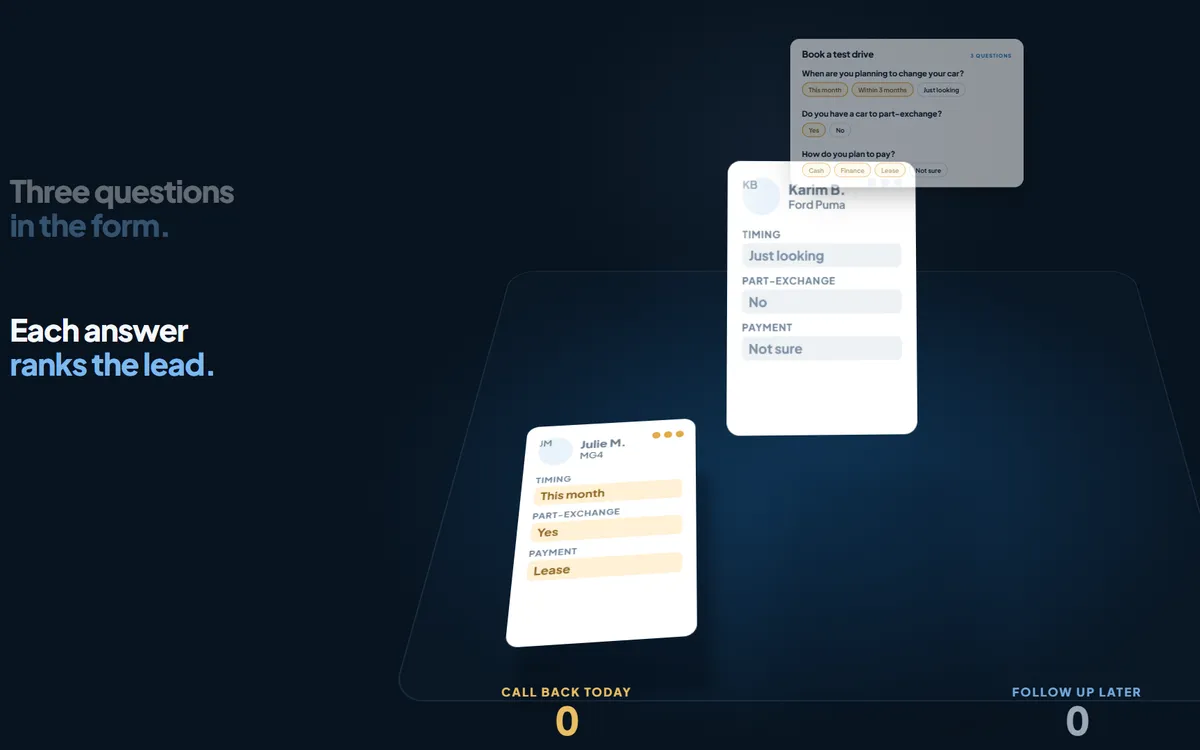
- Unified capture: All leads from all channels flowed into a single system, regardless of source
- Intelligent routing: Leads were automatically routed to the appropriate dealership based on location, brand, and inventory availability
- Speed-to-lead: Instant notifications to sales teams, because responding within 5 minutes dramatically improves conversion
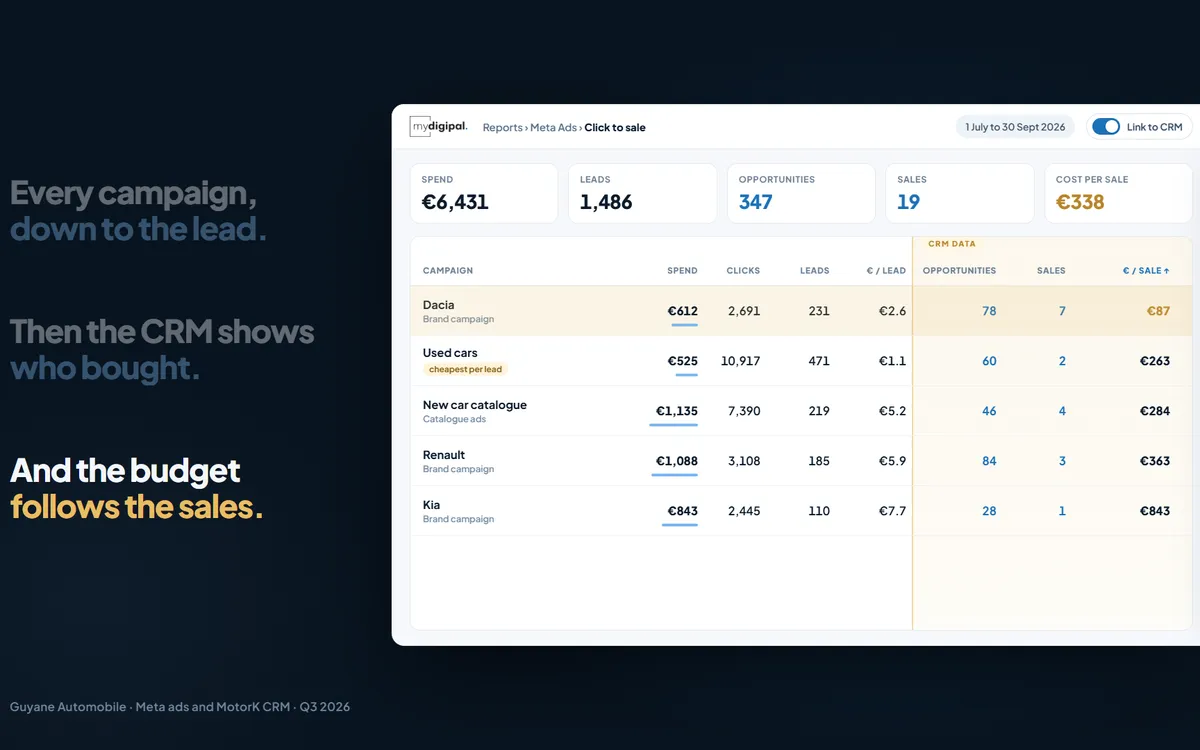
- Quality tracking: Every lead was tracked from acquisition through to sale (or lost reason), creating a feedback loop for optimization
- Real-time reporting: All stakeholders, from corporate marketing to individual sales managers, had visibility into their relevant metrics
Cross-brand optimization
Where things got interesting was in the cross-brand learnings:
- Creative testing: When an ad approach worked for one brand, we tested it across others
- Audience insights: Understanding which audiences overlapped helped prevent wasted spend
- Seasonal patterns: Learnings about timing and seasonality applied across the portfolio
- Landing page optimization: UX improvements that worked for one brand were rolled out everywhere
The results
The integrated strategy delivered strong performance across all metrics:
- 145% increase in total lead volume across all channels and brands
- 35% reduction in cost per lead through optimization and eliminated waste
- 80% improvement in website conversion rate from UX enhancements and better landing pages
- 40% faster lead response time thanks to automated routing
- Higher lead-to-sale conversion from improved lead quality and sales enablement
- Unified reporting giving leadership visibility across the entire portfolio
Brand-level results
Each segment saw meaningful improvements:
- Premium brands: 25% increase in qualified test drive requests, higher average transaction values
- Volume brands: 165% increase in lead volume, maintained cost efficiency despite scale
- Commercial vehicles: 90% increase in B2B inquiries, stronger fleet deal pipeline
Multi-location success
What made this engagement particularly successful was the balance we struck between centralized strategy and local execution:
- Corporate marketing: Maintained brand consistency, drove efficiency through shared infrastructure, and had visibility into overall performance
- Individual dealerships: Received a steady flow of qualified leads, benefited from professional marketing, and could focus on what they do best: selling cars
- Sales teams: Got leads routed appropriately with full context on the customer’s digital journey
The system worked because it served everyone’s interests. Corporate got efficiency and control; dealerships got leads and visibility.
Key takeaways
Multi-brand automotive marketing requires both strategic coherence and tactical flexibility. Three insights stood out:
-
Respect brand differences: A premium brand and a volume brand shouldn’t look the same, even within the same dealership group. Each brand has its own audience, positioning, and value proposition.
-
Share infrastructure, not strategy: The underlying systems (lead management, reporting, automation) can be shared. But the campaigns, creative, and targeting must be distinct.
-
Speed matters: In automotive, the first dealer to respond to a lead is most likely to win the sale. Lead routing and response time are as important as lead generation.
By building systems that supported both brand distinctiveness and operational efficiency, we helped Vulcain Group scale their digital marketing while maintaining the personal touch that’s essential in automotive sales.
Ready to transform your multi-brand automotive marketing? Explore our Google Ads services, SEO expertise, and paid social advertising, or get a free quote to discuss your strategy.