Anthropic shipped Claude Opus 4.8 on 28 May, and the headline is not raw intelligence. It is reliability. The model now works independently for longer, flags its own uncertainty instead of bluffing, and ships with a new dynamic workflows mode built for large, multi-step jobs. For a marketing agency, that is the line between a clever assistant and an agent you can actually delegate to.
Key takeaways
- Opus 4.8 (28 May) is about trust, not just smarts: it runs longer jobs and admits when it is unsure.
- Dynamic workflows let an agent decompose a big task instead of losing the thread halfway.
- The win for agencies is delegating whole jobs, not single prompts, with a human gate at the end.
What actually changed on 28 May
The model itself got sharper judgement and, more importantly, more honesty about its progress. Early testers report it is less likely to make unsupported claims and more likely to surface doubts. On top of that, three practical changes matter for day-to-day work:
- Effort control on claude.ai: you decide how hard Claude works on a task, so cheap drafts stay cheap and hard problems get the deep pass.
- Dynamic workflows in Claude Code: the agent can now tackle very large-scale problems by breaking them into steps on its own.
- Fast mode is now 2.5x faster and three times cheaper than before, so high-volume work stops being a budget question.
Earlier in May, Anthropic also gave Claude Managed Agents a memory curation process, sandboxed execution and private MCP connections. Put together, the platform moved from “smart chat” to “agent you can deploy.”
Why dynamic workflows is the real unlock
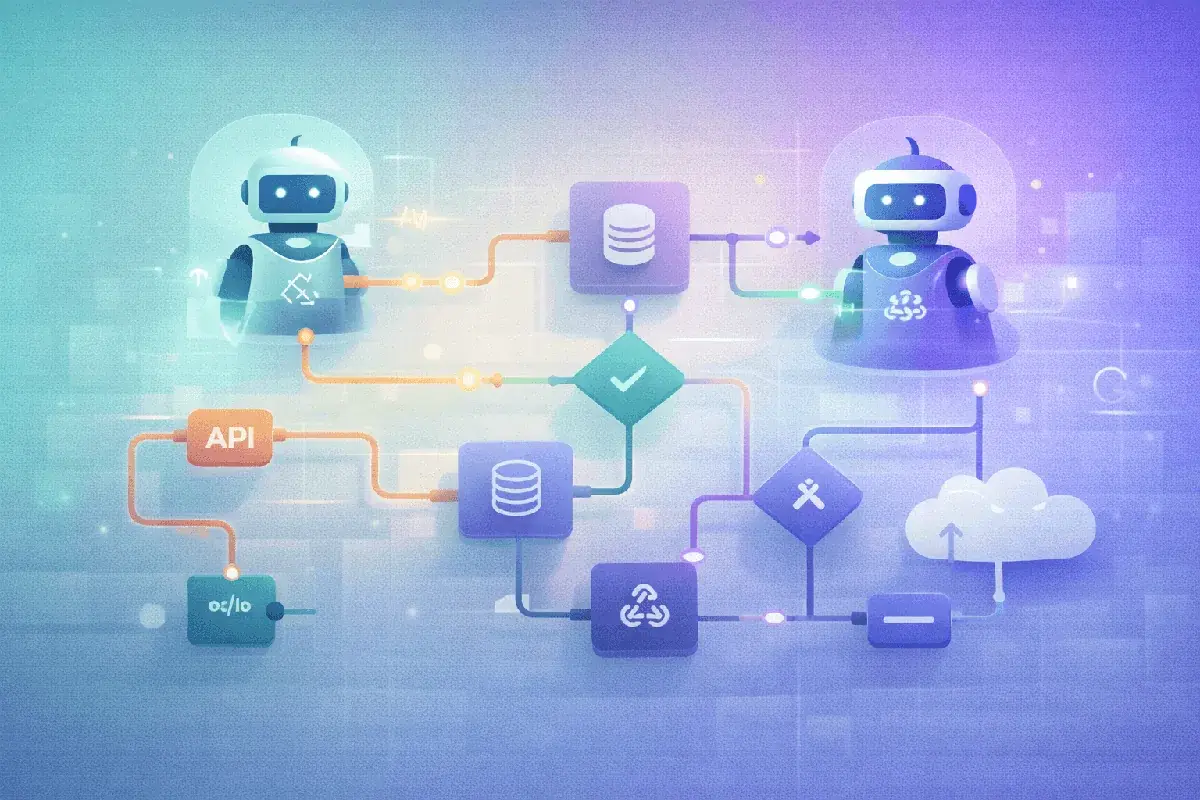
Until now, the wall with AI agents was not intelligence. It was stamina. Ask an agent to run a ten-step job and it would drift, forget step three, or quietly invent an answer. Dynamic workflows attack exactly that. The agent plans the job, runs it, and keeps its place across the whole sequence.
The unlock is not a smarter chatbot. It is an agent you can trust to run a multi-step job and tell you when it is unsure. MyDigipal
That is the difference between writing a prompt and handing over a task. We stopped asking Claude to “write a section” and started asking it to “pull this month’s numbers, draft the report, flag anything that looks off.” The honesty upgrade is what makes that safe: when the agent is unsure, it says so, and we know where to look.
What we hand to agents, and what we do not
Here is the honest split we run at MyDigipal. We delegate first-pass, repetitive, high-volume work: monthly reporting drafts, repurposing one article into six social posts, first-pass SEO and account audits, and ad copy variations to test. We keep humans firmly in charge of strategy, client judgement, and the final sign-off before anything ships.
The trap is treating “the AI can do it” as “the AI should own it.” It should not. The agent gets you to a strong first draft in minutes. The judgement that makes it client-ready is still the job.
How to start this week
You do not need a platform migration. Pick your single most repetitive marketing ops task, the one that eats a half-day every week. Build one dynamic workflow for it, set effort control low for the cheap passes, and keep a human review gate at the end. Measure the time you get back over two weeks. That number is your business case for the next one.
AI for your team
Want to put Claude to work on your marketing ops?
We train marketing teams to run AI agents in production and build custom workflows on the tools you already use, with a human gate that keeps the output client-ready.
Opus 4.8 does not replace your team. It changes what your team spends its hours on. The agencies that win this year are not the ones with the cleverest prompts. They are the ones who rebuilt one workflow at a time around agents they can trust, and kept a human where it counts. If you want help picking the first workflow to automate, talk to us.